2025 Farm Update: Closing the Year
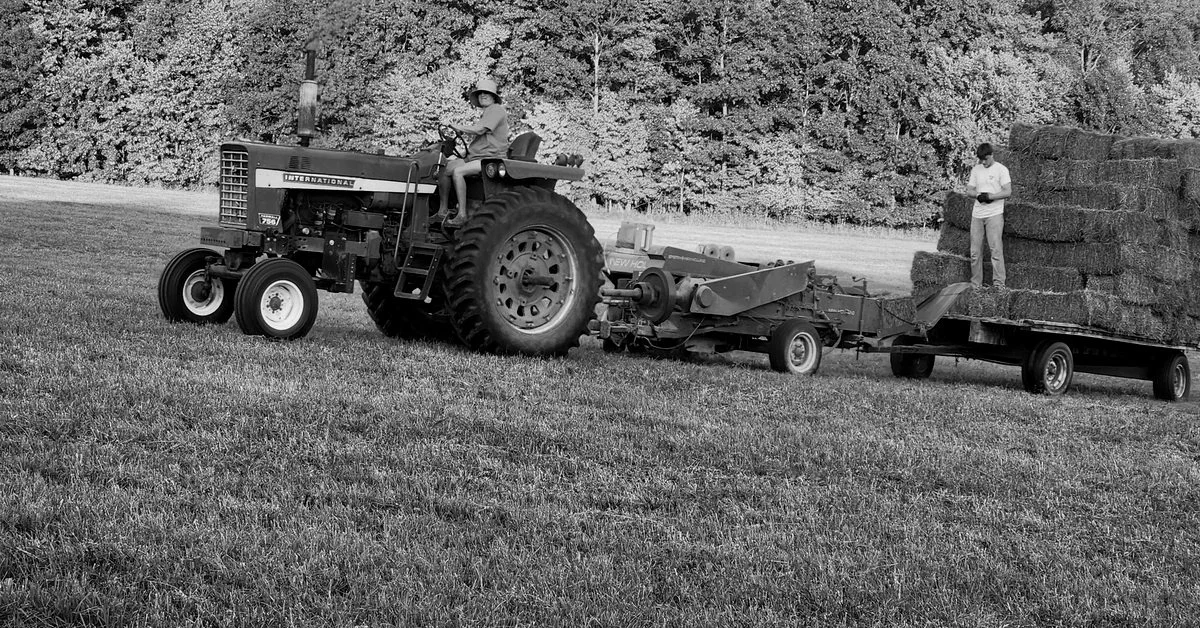
Baling and stacking small square bales with our International Harvester 756 tractor at J&K Smith Family Farms near Harlan, Indiana.
As 2025 comes to a close, one word still rises to the surface: frustration.
We entered the year with a plan and the kind of preparation that usually helps reduce risk. Equipment was gone through carefully, decisions were made thoughtfully, and the intent was simple—execute well and stay disciplined. On paper, it made sense.
Spring had other ideas.
Early in the season, equipment issues and wet conditions forced compromises we would rather not have made. Decisions meant to reduce risk instead tested our patience and judgment, and the planting window closed faster than we expected. What followed was a year defined less by perfect execution and more by adapting, recalibrating, and pressing forward when conditions refused to cooperate.
By mid-summer, the consequences were clear. Poor emergence in places, uneven stands, and acres that never fully recovered told the story long before harvest. There were bright spots—good pollination, timely rains later in the season, and management decisions that helped where they could—but the combine ultimately confirmed what the fields had been saying for months. This was our most challenging corn crop since 2012. Soybeans fared better overall, though late-planted acres still carried the stress of summer.
Layered on top of agronomy were the realities many farms are facing: low commodity prices and continually rising input costs. Decisions throughout the year often felt less about optimization and more about limiting additional risk.
2025 also brought difficult decisions beyond crops. After a tough spring lambing season, we made the decision to end nearly fifteen years of raising sheep. Dispersing our flock of ewes was not taken lightly. Those years brought hard work, long nights, valuable lessons, and meaningful experiences. But they also brought increasing stress and returns that no longer justified the effort. Letting go was frustrating—but necessary.
As the year closed, we made choices aimed at stability rather than perfection, including having our combine serviced at the dealership to avoid further breakdowns during harvest. It did not change the outcome of the crop, but it did bring some peace of mind in a year that had already delivered its share of surprises.
Looking toward 2026, we are regrouping—preparing for winter maintenance, applying nutrients for next year, and planning once again. This season forced us to confront the tension between preparation and decisiveness, patience and paralysis. It reminded us that while careful planning matters, farming rarely offers ideal conditions, and progress often comes from moving forward with what is available.
2025 was not the year we hoped for. But it was a year that clarified priorities, forced honest accounting, and reinforced why resilience matters more than any single season. As we close the book on this year, we do so a little more weathered, a little wiser, and still committed to the work ahead.